
Don’t Make THIS Mistake When Speaking Up at Work!
Wednesday, November 27, 2024

Speaking up at work can be daunting, especially in a male-dominated or toxic environment. Whether you're sharing an idea, addressing a concern, or advocating for yourself, finding your voice is crucial. But there’s one common mistake many people make when speaking up—and it can undermine your credibility and confidence in the workplace.
The mistake? Apologizing unnecessarily.
Apologizing when you haven’t done anything wrong can dilute your message, minimize your authority, and make it harder for others to take you seriously. Let’s explore why this mistake happens, its impact, and how to replace unnecessary apologies with confident, effective communication.
Why We Apologize Unnecessarily
For many, apologizing has become a default response, especially in workplaces where:
* You feel outnumbered: Being one of the few women or a minority can make you feel pressure to “soften” your approach.
* You fear conflict: Apologies might feel like a way to keep the peace or avoid making waves.
* You’re second-guessing yourself: Imposter syndrome or anxiety can lead to excessive self-blame and over-apologizing.
The Impact of Over-Apologizing
When you apologize unnecessarily, it can:
1. Undermine Your Authority
Phrases like “Sorry to bother you” or “I might be wrong, but…” can make you seem less confident, even when you’re
right.
2. Dilute Your Message
Apologies can distract from the content of your statement, making it less impactful.
3. Reinforce Power Imbalances
Apologizing excessively can signal to others that you lack confidence, inadvertently inviting dismissiveness.
4. Erode Self-Confidence
The more you apologize unnecessarily, the more you reinforce self-doubt internally.
How to Avoid Over-Apologizing
Here are strategies to replace unnecessary apologies with confident communication:
1. Reframe Your Phrasing
Instead of saying, “Sorry for taking up your time,” try, “Thank you for your time.” This shift shows appreciation rather than guilt.
Example:
Apology: “Sorry, I just wanted to add something.”
Reframe: “I’d like to add something to this discussion.”
2. Pause Before Speaking
Take a moment to consider if an apology is warranted. If not, skip it and lead with your point.
3. Lead with Confidence
Avoid hedging language like “I think,” “I’m not sure, but…” or “This might not be right, but…” Replace these with assertive phrases.
Example:
Instead of: “I might be wrong, but I think this approach could work.”
Say: “This approach could work because…”
4. Own Your Space
Claim your right to speak without justification. It’s okay to assert yourself without cushioning your input with apologies.
5. Prepare for Pushback
In some workplaces, confidence can be misinterpreted, especially for women. Stay calm and focused, and repeat your points if necessary.
Example:
Response to being interrupted: “I’d like to finish my thought before moving on.”
When an Apology Is Necessary
Not all apologies are bad! Sincere apologies are essential when you’ve made a mistake, hurt someone, or missed a deadline. The key is to apologize when appropriate—and only when appropriate.
Effective Apology Example:
“I missed the deadline, and I apologize. Here’s how I plan to address it moving forward.”
Final Thoughts: Speak Up Without Saying “Sorry”
Speaking up at work is your right—and it’s a skill that takes practice and confidence. By avoiding unnecessary apologies, you assert your voice, build credibility, and position yourself as a capable professional. Remember: your ideas, contributions, and concerns are valuable. Don’t let an unnecessary “sorry” hold you back. Speak up with strength, own your voice, and watch your workplace confidence soar!

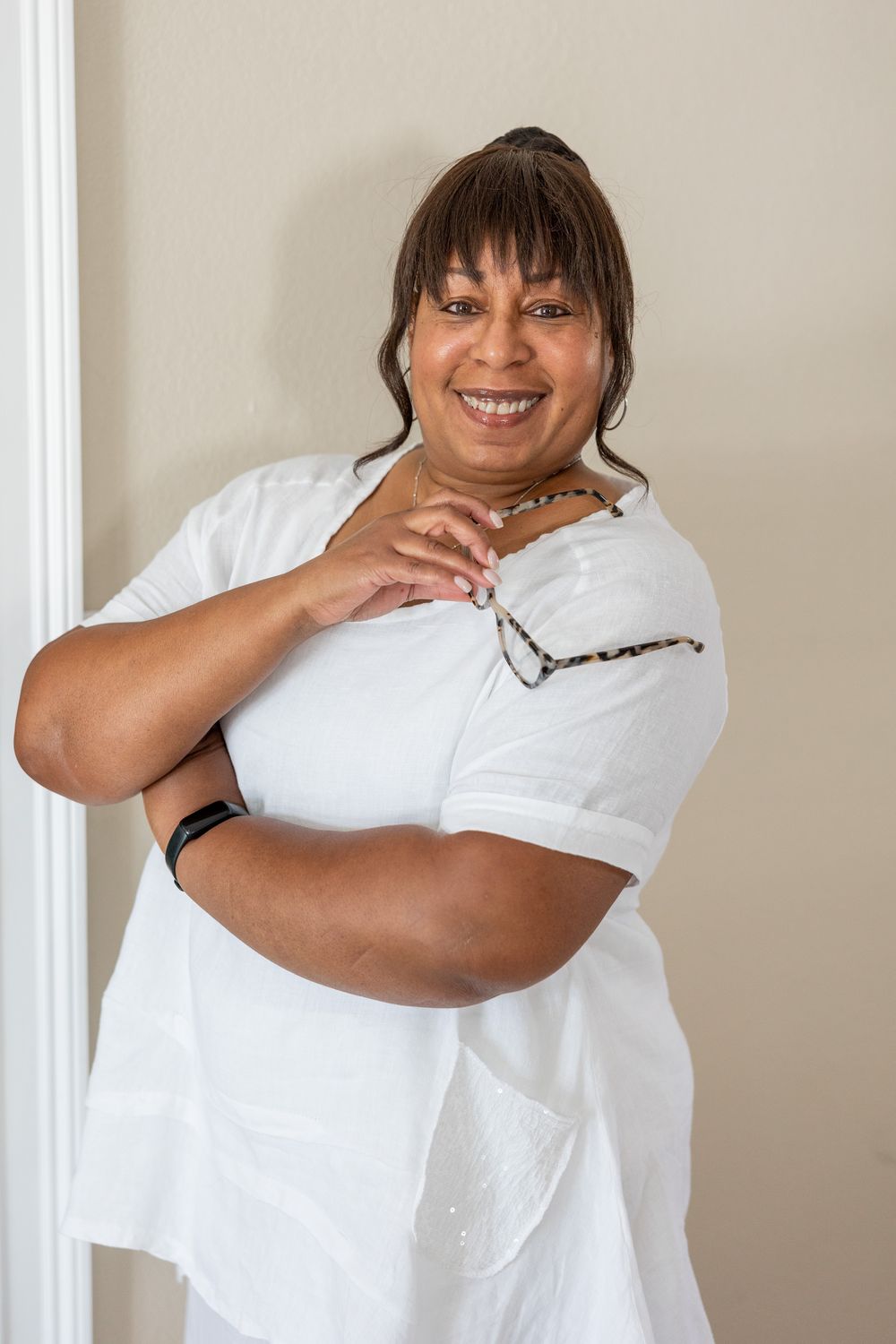
Hi, I'm Martina O'Neal
Creator of H.E.R. Haven Blog
I help women in male-dominated workplaces overcome bullying, beat stress and anxiety, and go from just surviving the workday to truly thriving from 9 to 5.
I worked as a Construction Project Manager in Corporate America for more than 20 years, so I know all too well the fear of participating in weekly meetings and dealing with a difficult boss.
It's my goal empower and guide women to thriving in any workplace even in a room full of men.
