
Microaggressions in Virtual Workspaces: How to Recognize and Address Them
Monday, December 30, 2024

As virtual work becomes the norm, many of us breathe a sigh of relief at avoiding the stress of a physical workplace. But while Zoom meetings and Slack messages eliminate water cooler conversations, they don’t erase workplace dynamics that can harm inclusivity and collaboration. Microaggressions—subtle, often unintentional actions or comments that perpetuate bias or stereotypes—can thrive in virtual workspaces just as easily as they do in person.
If left unchecked, microaggressions in virtual spaces can lead to feelings of isolation, frustration, and disengagement. Here’s how to recognize these behaviors, address them constructively, and foster a respectful and inclusive virtual workplace.
What Are Microaggressions?
Microaggressions are subtle, everyday actions or comments—whether intentional or not—that communicate bias, stereotypes, or exclusionary behavior. They often target aspects of identity, such as race, gender, age, or abilities, and leave the recipient feeling dismissed or devalued.
In virtual workspaces, microaggressions can manifest in ways specific to the digital format, making them harder to detect but no less harmful.
Examples of Microaggressions in Virtual Workspaces
1. Interruptions and Speaking Over Others in Meetings
* In video calls, certain voices may dominate the conversation, while others—often women or underrepresented
employees—are interrupted or ignored.
2. Mispronouncing Names
* Continually mispronouncing someone’s name despite corrections is dismissive and signals a lack of effort to show
respect.
3. Exclusion from Conversations
* Failing to include certain colleagues in email threads, project discussions, or Slack channels creates feelings of
exclusion.
4. Invalidating Comments
* Phrases like “You’re being too sensitive” or “That’s not what I meant” dismiss someone’s lived experience when they
bring up concerns.
5. Stereotypical Assumptions
* Comments like “You’re so tech-savvy for your age” or “You’re so articulate” can seem like compliments but carry
underlying stereotypes.
6. Ignoring Contributions
* Overlooking someone’s ideas in a virtual meeting but praising the same suggestion when repeated by someone else.
7. Judging Virtual Workspaces
* Critiquing a colleague’s background, home, or environment during a video call (e.g., “Your space looks messy”) can feel
invasive and judgmental.
8. Assumptions About Availability
* Expecting employees without children to pick up extra work because they’re “less busy” than parents working remotely.
The Impact of Microaggressions in Virtual Workspaces
Even though virtual work reduces face-to-face interactions, the harm caused by microaggressions remains significant. Employees experiencing these behaviors may feel:
* Excluded: A sense of being overlooked or undervalued in the team dynamic.
* Frustrated: Emotional exhaustion from consistently having to address or overlook microaggressions.
* Disengaged: Reduced motivation to contribute due to a lack of respect or inclusivity.
* Isolated: A feeling of being “othered” in team meetings or discussions.
Over time, these experiences can lead to burnout, job dissatisfaction, and a higher likelihood of leaving the organization.
How to Address Microaggressions in Virtual Workspaces
1. Self-Reflection and Awareness
* Take time to examine your own biases and behaviors.
Ask yourself: Am I unintentionally dismissing someone’s voice or making assumptions based on stereotypes?
2. Foster Inclusive Virtual Meetings
* Rotate facilitators to ensure everyone has an equal chance to lead.
* Use “round-robin” techniques to give everyone an opportunity to speak.
* Call out interruptions tactfully.
Example: “Let’s let [Name] finish their thought before we move on.”
3. Speak Up When You Witness Microaggressions
* Address them in the moment with curiosity, not confrontation.
Example: “I noticed you interrupted [Name]. Let’s go back to them to hear their input.”
* If the situation feels sensitive, address it privately.
Example: “I think your comment about [Name]’s background might have been misinterpreted. Let’s be mindful moving
forward.”
4. Encourage Pronunciation and Name Respect
* Take time to learn colleagues’ names and ask for clarification if unsure. A simple “Did I pronounce your name correctly?”
shows respect and effort.
5. Set Clear Communication Guidelines
* Create team norms around inclusivity, such as giving credit for ideas, avoiding interruptions, and ensuring equal
participation in discussions.
6. Address the Issue Privately if You’re the Target
* If you feel comfortable, address the microaggression one-on-one with the person involved.
Example: “When you said [comment], it made me feel [emotion]. I’d appreciate it if we could avoid comments like that in
the future.”
7. Involve Leadership When Necessary
* If microaggressions persist despite addressing them, escalate the issue to HR or a trusted leader. Provide specific
examples to support your concerns.
How Leaders Can Help Eliminate Microaggressions
Leaders play a crucial role in shaping virtual workplace culture. To create an inclusive environment:
* Model Inclusive Behavior: Demonstrate respectful and empathetic communication in all interactions.
* Educate Teams: Host training sessions on unconscious bias and microaggressions to build awareness.
* Encourage Feedback: Create safe spaces where employees feel comfortable sharing concerns about microaggressions.
* Hold Everyone Accountable: Address problematic behaviors consistently and transparently, regardless of who is involved.
Final Thoughts: Building a Respectful Virtual Workplace
Microaggressions don’t disappear in virtual spaces—they simply take new forms. Recognizing and addressing these subtle behaviors is critical to building a workplace where everyone feels valued, respected, and empowered to contribute.
Whether you’re leading a team or collaborating with colleagues, fostering a culture of inclusion starts with small, intentional actions. By learning to spot microaggressions, addressing them with care, and creating equitable communication practices, you can help ensure your virtual workplace is a space where everyone can thrive.
Remember: It’s not about perfection—it’s about progress. Together, we can create virtual environments that celebrate diversity, promote respect, and empower every voice.

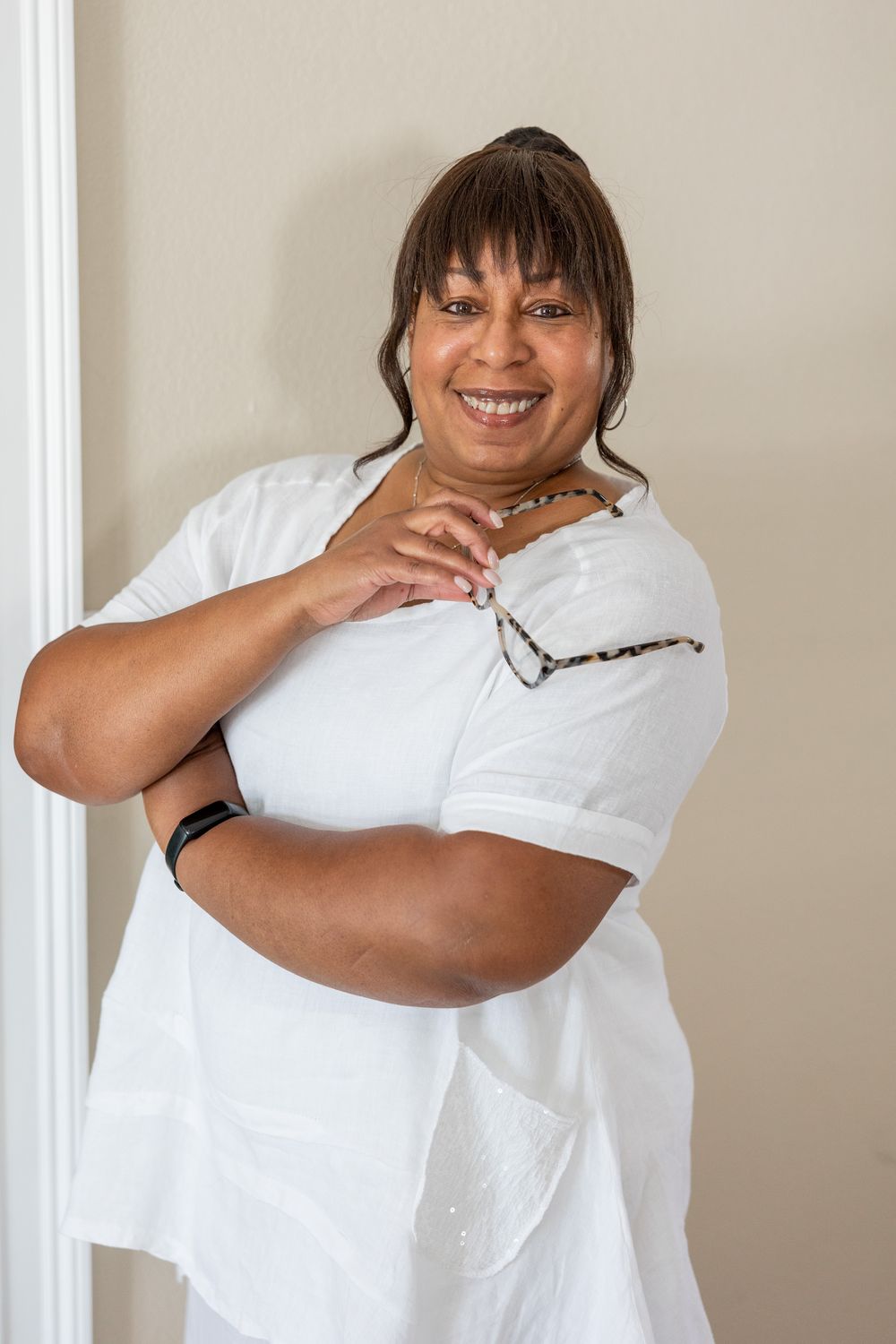
Hi, I'm Martina O'Neal
Creator of H.E.R. Haven Blog
I help women in male-dominated workplaces overcome bullying, beat stress and anxiety, and go from just surviving the workday to truly thriving from 9 to 5.
I worked as a Construction Project Manager in Corporate America for more than 20 years, so I know all too well the fear of participating in weekly meetings and dealing with a difficult boss.
It's my goal empower and guide women to thriving in any workplace even in a room full of men.
