
Microaggressions Unmasked: How to Call Them Out Without Burning Bridges
Monday, April 28, 2025

It’s the offhand comment about your appearance. The “joke” that isn’t funny. The compliment that somehow feels like an insult.
Microaggressions at work are like paper cuts—you might brush them off at first, but over time, they sting, scar, and seriously hurt your confidence.
Here’s the truth: You don’t have to choose between saying nothing (and swallowing the hurt) or going nuclear (and risking your reputation).
You can call out microaggressions without burning bridges—by using strategy, not just emotion. Let’s break down exactly how.
First: What Are Microaggressions, Really?
Microaggressions are subtle, often unintentional behaviors or comments that carry bias, stereotypes, or disrespect.
They're often disguised as compliments, jokes, or casual observations—but their impact is real.
🎯 Examples:
“Wow, you’re so articulate!” (Translation: I didn’t expect you to be.)
“You don’t look like an engineer.” (Translation: You don’t fit my stereotype.)
“Calm down, you’re being too emotional.” (Translation: Your valid emotions make me uncomfortable.)
Even if the person didn’t mean harm, the effect is the same: you’re left feeling diminished, singled out, or alienated.
Why Calling Them Out Matters
🧠 Ignoring microaggressions doesn’t make them disappear—it normalizes them.
💬 Addressing them opens the door for learning (and sometimes reveals who’s willing to grow… and who’s not).
🌟 Every time you set a boundary around respect, you reinforce your value—and the standard you expect from others.
How to Call Out Microaggressions Without Setting Fire to the Room
1. Pause and Assess
Before you respond, quickly check in with yourself:
What’s my goal here? (Awareness, education, boundary-setting?)
Is this a teachable moment—or is it time to protect my peace?
🔥 Not every moment needs a battle. Choose the ones that matter most to you.
2. Respond Calmly—but Directly
You don’t have to be aggressive to be assertive. In fact, calmness is your superpower here.
🗣 Try these:
The Clarification Move:
“Can you explain what you meant by that?” (Often forces them to hear how it sounds out loud.)
The Impact Statement:
“I’m sure you didn’t intend harm, but that comment came across as dismissive.”
The Personal Boundary:
“I’d appreciate if we could stay away from comments like that moving forward.”
Short. Clear. No apology needed.
3. Flip the Spotlight
Sometimes, it’s powerful to make them think without directly confronting:
💬 Example:
“Hmm, why do you say that?”
“Interesting—what makes you assume that?”
This tactic gently puts the burden of explanation back where it belongs—on them. And often, their discomfort says everything.
4. Follow Up If Needed
If it’s a pattern—or if leadership needs to be aware—document the incident and loop in your manager or HR with professionalism.
📝 Stick to facts:
What was said or done.
When and where it happened.
How it impacted you or the work environment.
This isn’t tattling. It’s protecting your right to a respectful workplace.
Final Thoughts: You’re Not Overreacting—You’re Setting Standards
Calling out microaggressions doesn’t make you “sensitive.” It makes you a leader who refuses to accept disrespect as normal.
You have the right to take up space, to expect respect, and to advocate for yourself—without setting yourself on fire just to make a point.
Want some quick, smart ways to shut down shady comments without the drama?
💥 Download my FREE guide: “The RESPOND Method – 7 Smart Comebacks to Shut Down Workplace Manipulation.”
It’s your go-to blueprint for staying calm, clear, and confident when toxic behavior shows up.
Because you were never meant to shrink for anyone’s comfort—and you sure as hell don’t have to. 💬✨

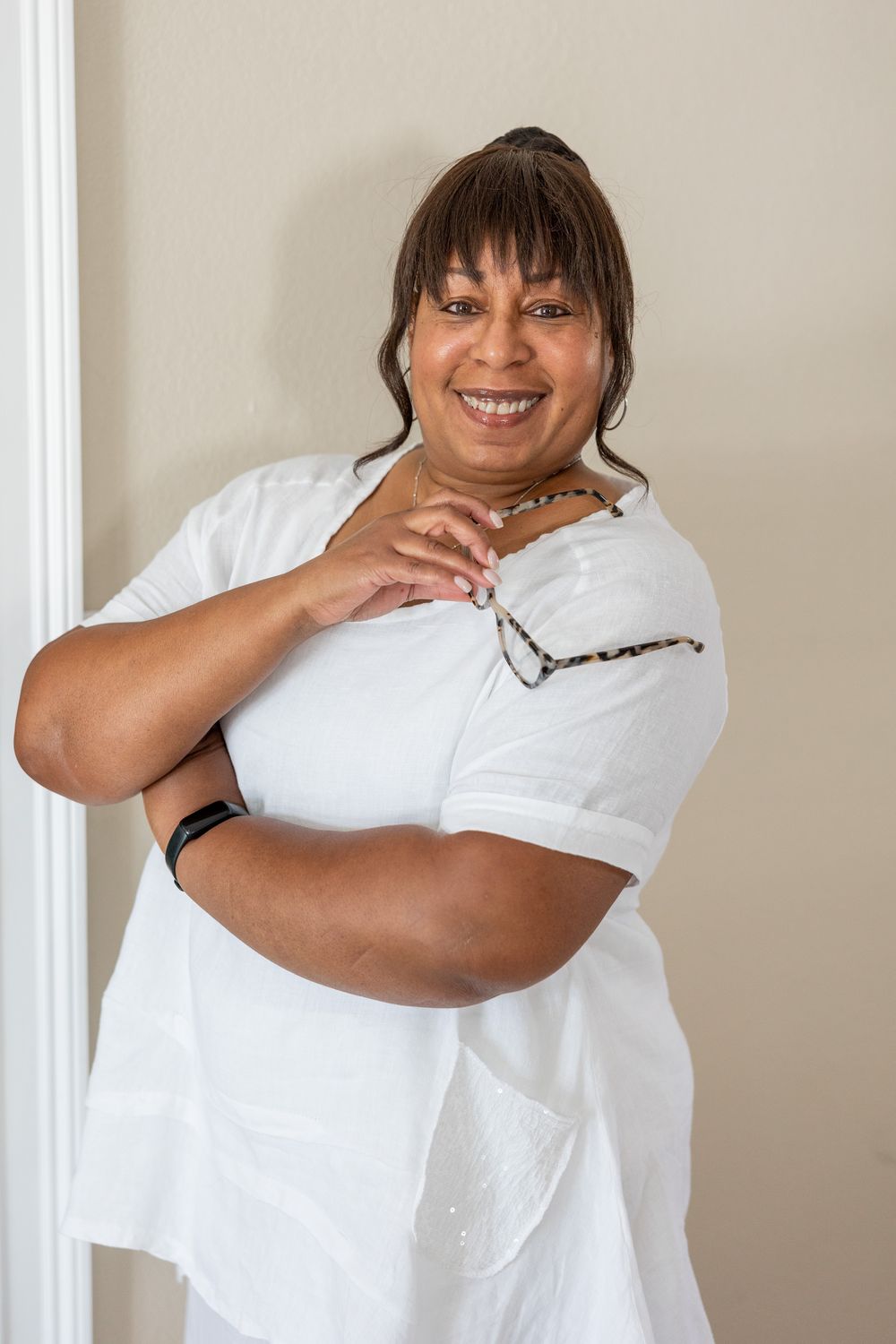
Hi, I'm Martina O'Neal
Creator of H.E.R. Haven Blog
I help women in male-dominated workplaces overcome bullying, beat stress and anxiety, and go from just surviving the workday to truly thriving from 9 to 5.
I worked as a Construction Project Manager in Corporate America for more than 20 years, so I know all too well the fear of participating in weekly meetings and dealing with a difficult boss.
It's my goal empower and guide women to thriving in any workplace even in a room full of men.
