
Stop Apologizing at Work: You’re Not Sorry, You’re Brilliant
Monday, March 17, 2025

If you’re constantly starting sentences with “Sorry, but…” or apologizing for things that aren’t even your fault, it’s time to break the habit. Apologizing unnecessarily can make you appear less confident, even when you’re absolutely capable and competent.
Here’s the truth: **You’re not sorry—you’re brilliant.** And it’s time you started acting like it.
Let’s talk about why over-apologizing happens, how it’s hurting you at work, and what to say instead.
Why Are You Always Apologizing?
If you’re like many women in male-dominated workplaces, apologizing might feel like second nature. Here’s why it happens:
➡️ You’re Trying to Soften Your Tone: You worry about coming across as aggressive or difficult.
➡️ You’re Avoiding Conflict: Apologies can feel like a “safe” way to keep things calm.
➡️ You Doubt Yourself: Imposter syndrome can make you question your right to speak up.
➡️ It’s a Habit: Sometimes, “I’m sorry” just slips out—even when it’s completely unnecessary.
While these instincts are understandable, they can quietly chip away at your credibility, making others question your confidence and authority.
The Hidden Damage of Over-Apologizing
Apologizing when you haven’t done anything wrong may seem harmless, but it sends the wrong message.
❗It Diminishes Your Authority: Apologizing for sharing ideas or asking questions makes you seem unsure—even when
your input is valuable.
❗It Shifts Blame onto You: Constantly taking responsibility for things outside your control makes you an easy target
for workplace manipulation.
❗It Reinforces Self-Doubt: The more you apologize, the more you subconsciously believe you’re in the wrong.
Bottom line: **Over-apologizing tells people you’re unsure of yourself—even when you’re not.**
What to Say Instead of “I’m Sorry” (Without Sounding Rude)**
The goal isn’t to stop apologizing altogether—there’s a time and place for genuine apologies. The key is replacing **unnecessary apologies** with stronger, more confident language.
✅ Instead of: “Sorry to bother you…”
➡️ Say: “Do you have a minute?”
✅ Instead of: “Sorry, I just wanted to add…”
➡️ Say: “I’d like to add something important here.”
✅ Instead of: “Sorry for asking, but…”
➡️ Say: “I have a question about…”
✅ Instead of: “I’m sorry I missed that…”
➡️ Say: “Thanks for your patience. Let me get caught up.”
✅ Instead of: “I’m sorry if this doesn’t make sense…”
➡️ Say: “Let me clarify my point.”
By shifting your language, you’ll naturally project more confidence—and people will start responding to you differently.
How to Break the Habit for Good
1️⃣ Start by Noticing It
- Keep track of how often you say “I’m sorry.” Awareness is the first step to change.
2️⃣ Pause Before Speaking
- Before you apologize, ask yourself: *Did I actually do something wrong?* If not, skip the apology.
3️⃣ Embrace Silence
- If you’re filling awkward moments with apologies, replace the “sorry” with silence. A thoughtful pause often holds more power than rushed words.
4️⃣ Reframe Your Thinking
- When you feel tempted to apologize, remind yourself: *I’m adding value to this conversation.*
5️⃣ Practice with Safe Spaces
- Breaking the habit takes practice. Start by shifting your language with friends or trusted colleagues until it feels natural.
Final Thoughts: Own Your Brilliance
You’re not sorry—you’re smart, capable, and absolutely deserving of your seat at the table. Every time you replace an apology with confidence, you reinforce your value and strengthen your professional presence.
So, the next time you’re tempted to say “I’m sorry,” take a breath and remember this: **You’re not a bother. You’re not overreacting. You’re not in the way.**
You’re brilliant—and it’s time you started showing up like it. 💪✨

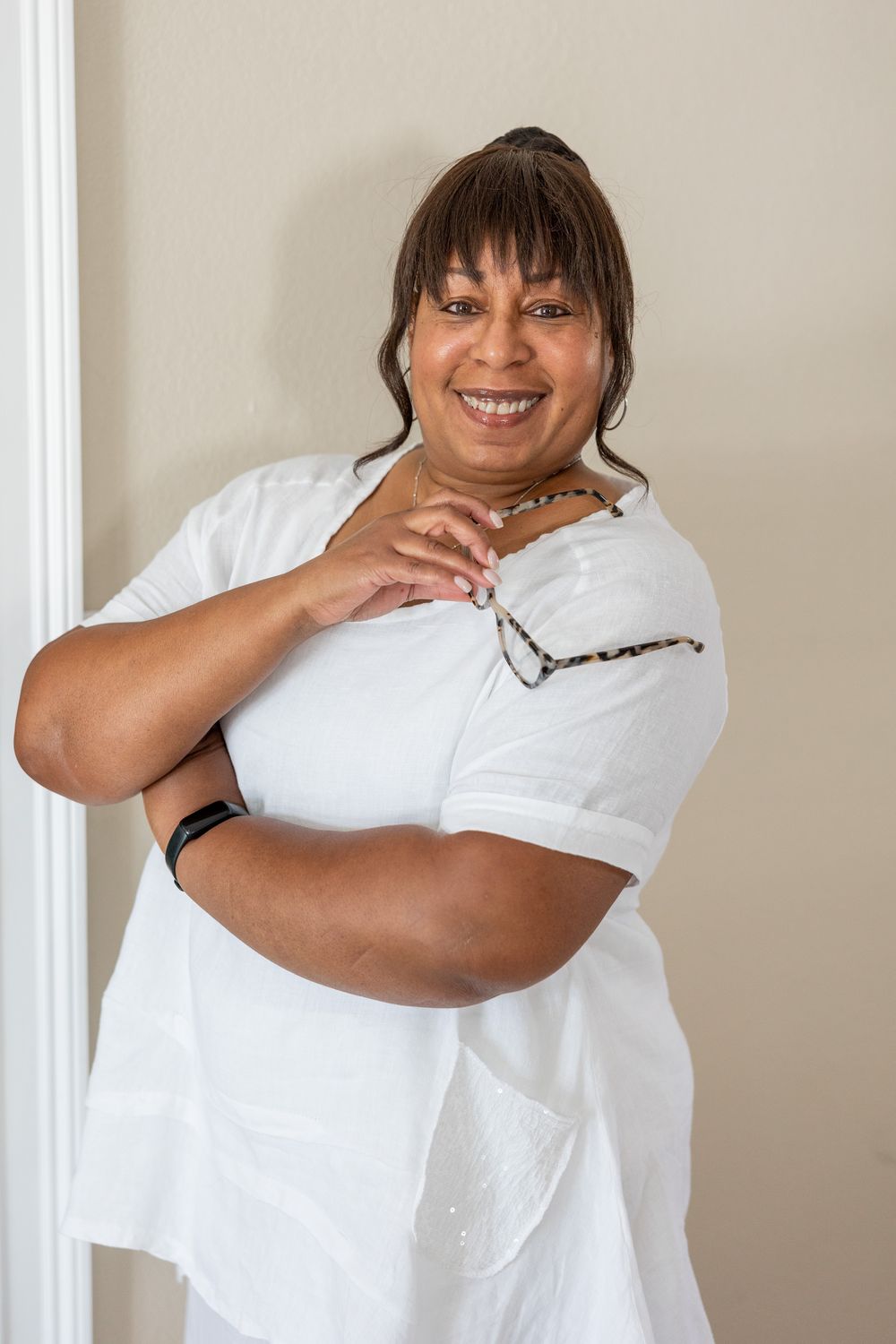
Hi, I'm Martina O'Neal
Creator of H.E.R. Haven Blog
I help women in male-dominated workplaces overcome bullying, beat stress and anxiety, and go from just surviving the workday to truly thriving from 9 to 5.
I worked as a Construction Project Manager in Corporate America for more than 20 years, so I know all too well the fear of participating in weekly meetings and dealing with a difficult boss.
It's my goal empower and guide women to thriving in any workplace even in a room full of men.
