
Understanding and Responding to the “You Don’t Look Like You Work Here” Microaggression
Monday, November 18, 2024

In male-dominated fields like construction, women often face subtle, and sometimes not-so-subtle, remarks that undermine their expertise and make them feel out of place. One common example is the comment, “You don’t look like you work here.” Though it might seem harmless or even like a compliment, it’s a form of microaggression that questions a woman’s belonging and capability in her role based solely on her appearance. Let's dive into why this phrase is problematic and how to respond to it confidently.
Why It’s Harmful
At its core, the “You don’t look like you work here” comment implies that certain professions or workplaces are only for men and that women are unusual or out of place in these spaces. For women in fields like construction, this can be particularly frustrating. Here’s why this comment is harmful:
It Reinforces Stereotypes: The statement implies that men look like they "fit" the role, while women don’t, suggesting a bias that these roles aren’t “for” women.
It Questions Competency: This subtle dig can make women feel that they need to prove themselves more than their male counterparts, as if they have to justify why they’re there.
It Undermines Belonging: Repeatedly facing these comments can make women feel unwelcome or like outsiders, even if they’re well-established in their roles.
How to Respond Confidently
Here are some ways to reply, ranging from light-hearted responses to assertive ones, depending on the situation and your comfort level.
1. Lighthearted Confidence
If the situation calls for a softer approach, a lighthearted response can acknowledge the comment without allowing it to undermine your confidence.
Example Response: “Oh really? I must be breaking the mold then. I’ve been here for a while, and I love what I do!”
This response asserts your place in the role, gently correcting the assumption that you don’t belong.
2. Affirming Your Role
This approach is great when you want to subtly educate the person on why their assumption might be off-base.
Example Response: “Actually, I do! I’ve been in this role for [X years]. I love working in construction because it’s challenging and rewarding.”
This statement directly addresses the comment, giving context to your experience and affirming your passion for your work.
3. Addressing the Underlying Bias
For more direct responses, acknowledging the bias behind the comment can be a respectful way to bring attention to the issue.
Example Response: “What does someone who works here look like? I think everyone brings something unique to the team.”
This invites the person to consider why they made the comment and opens up space for a larger conversation on diversity and inclusion.
4. Redirecting to Focus on Skills
When you want to steer the conversation back to your qualifications, redirect the comment towards what really matters: your skills and expertise.
Example Response: “Well, I might not look the part, but I definitely have the skills! If you need any help on [specific task], I’m your person.”
This lets the other person know that your role is defined by your skills, not your appearance.
Final Thoughts
Microaggressions like “You don’t look like you work here” may seem small, but they carry weight. Responding in a way that reflects your confidence and professionalism can help shift the narrative and assert your place in the workplace. Over time, these small shifts can contribute to a more inclusive culture where women are respected and valued for their skills and contributions rather than judged by their appearance.
By responding assertively and gracefully, you send a powerful message: women belong in all spaces, and it’s time everyone recognized that.

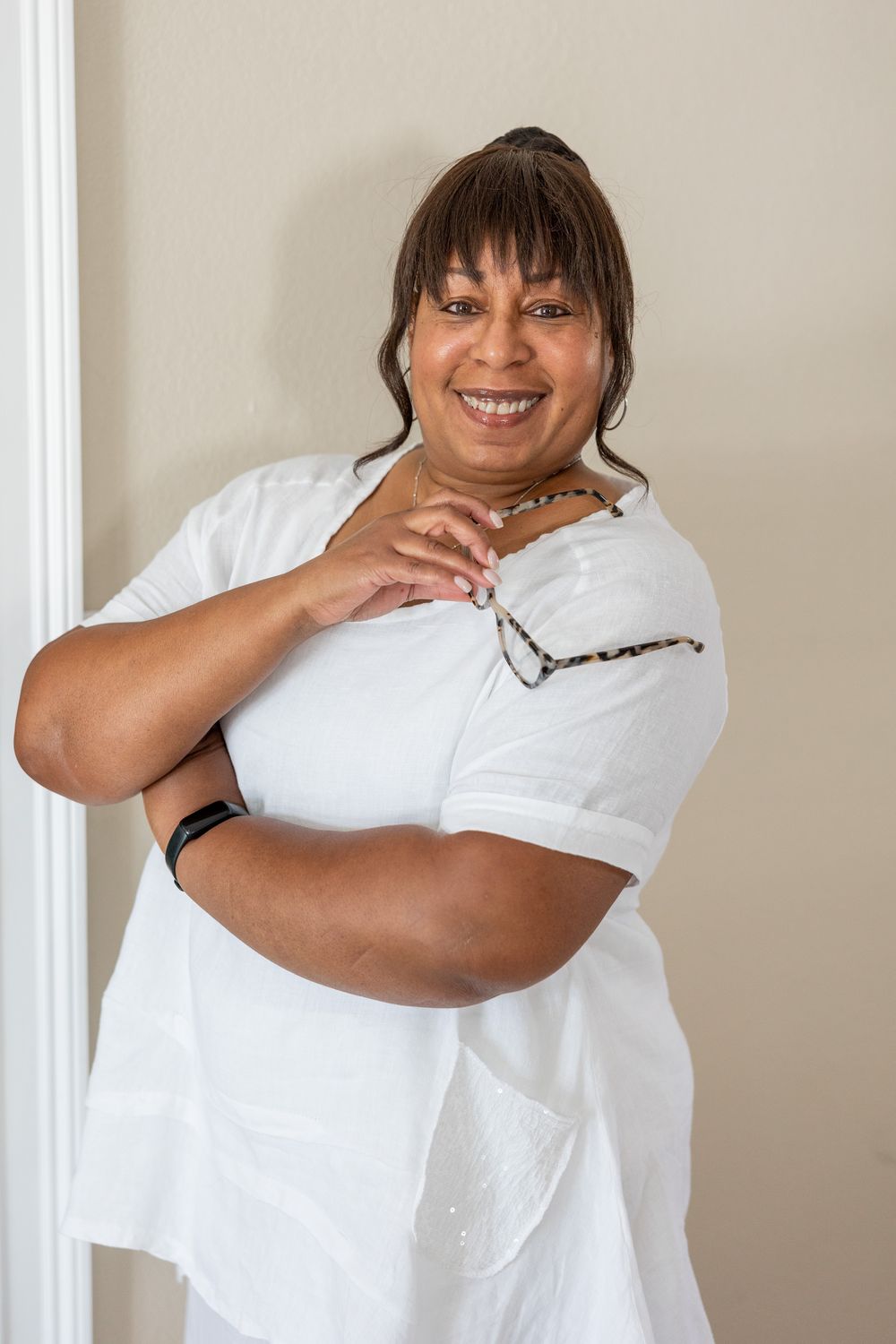
Hi, I'm Martina O'Neal
Creator of H.E.R. Haven Blog
I help women in male-dominated workplaces overcome bullying, beat stress and anxiety, and go from just surviving the workday to truly thriving from 9 to 5.
I worked as a Construction Project Manager in Corporate America for more than 20 years, so I know all too well the fear of participating in weekly meetings and dealing with a difficult boss.
It's my goal empower and guide women to thriving in any workplace even in a room full of men.
