
What You Should Be Documenting at Work (Even If Nothing “Serious” Is Happening… Yet)
Monday, December 29, 2025

The Starter System You Can Use TODAY
If you’ve ever thought,
“I don’t even know what I’m supposed to be writing down…”
this week is going to feel like finally taking a breath.
Because here’s the thing most people never tell you:
You don’t start documenting when things get bad.
You document so things don’t get bad in the first place.
This week is your step-by-step guide to what actually counts, what you should capture, and how to do it in a way that feels simple — not overwhelming.
Let’s break it down.
📌 What Counts as an “Incident” (Even the Ones You Think Are Too Small)
Most people only document the BIG moments:
– a blowup
– an unfair write-up
– a rude email
– a meeting where something went sideways
But the real power is in capturing the smaller moments that show a pattern.
Here’s what actually counts:
✔️ Shifting expectations
When someone gives you instructions verbally… then claims they said something different.
✔️ Comments that change the tone of the room
Sarcasm, side remarks, little digs, subtle slights.
(Yes — this counts.)
✔️ Being excluded
Meetings. Emails. Decisions you were part of yesterday, but mysteriously not today.
✔️ Inconsistencies
Your process was fine last week — suddenly it’s a “problem.”
✔️ Changes in how people interact with you
Short emails. Delayed responses. Extra scrutiny.
These matter because they often signal something shifting behind the scenes.
You don’t document because you’re paranoid —
you document because patterns reveal truth.
📌 What Counts as a “Win” (This Is Where Your Promotion File Begins)
Your wins are just as important as your incidents.
You might think,
“Why would I document something positive?”
Because:
✔️ You forget your own brilliance
✔️ You downplay what you’ve accomplished
✔️ You underestimate the value you bring
✔️ You won’t remember the details when review time comes
Wins include:
✔️ Praise
Emails. Slack messages. Compliments.
Capture them all.
✔️ Deliverables you completed
Projects, reports, solutions you created, fires you put out.
✔️ Problems you solved that weren’t officially your job
This is the work that sets you apart — and the work that often gets erased if you don’t track it.
✔️ Times you stepped up
Covered for someone. Saved a deadline.
Got something done under pressure.
Your documentation doesn’t just protect you — it builds your case for advancement.
📌 What to Track Daily, Weekly, and Monthly
(This is your starter system — simple, doable, and powerful.)
🔹 Daily (5 minutes max)
Key interactions
Tone shifts
Small wins
Anything that made you pause
Anything that feels “off”
Daily tracking keeps you grounded and stops you from second-guessing yourself.
🔹 Weekly Check-In
Summaries of ongoing issues
Updates to long-term patterns
Wins from the week
What moved, shifted, or changed
This helps you see trends — not isolated events.
🔹 Monthly Review
Larger patterns
Recurring behaviors
Big wins and accomplishments
Deadlines you saved
Team contributions
Any issues escalating
This is where you say:
“Okay, here’s the full picture.”
And once you see the picture, you gain clarity, confidence, and control.
📌 Simple Examples to Make This Easy
Incident Example
Event: Told to deliver the report with Format A.
Impact: Manager later claimed they asked for Format B.
Outcome: Clarified expectations via email; received confirmation.
Win Example
Event: Completed project 3 days early.
Impact: Prevented downstream delay.
Outcome: Client responded with positive feedback.
Nothing dramatic.
Nothing emotional.
Just facts — and facts protect you.
🎥 Related TikTok
Check out this quick video that breaks down exactly what to document — and why starting early puts you in control.
Why Documentation is Important
💡 If You Want a Simple Way to Start Today…
Grab the Always Be Documenting (A.B.D.) Guide — it walks you through the exact structure to follow so you never have to guess what to write down.
👉 Download it here

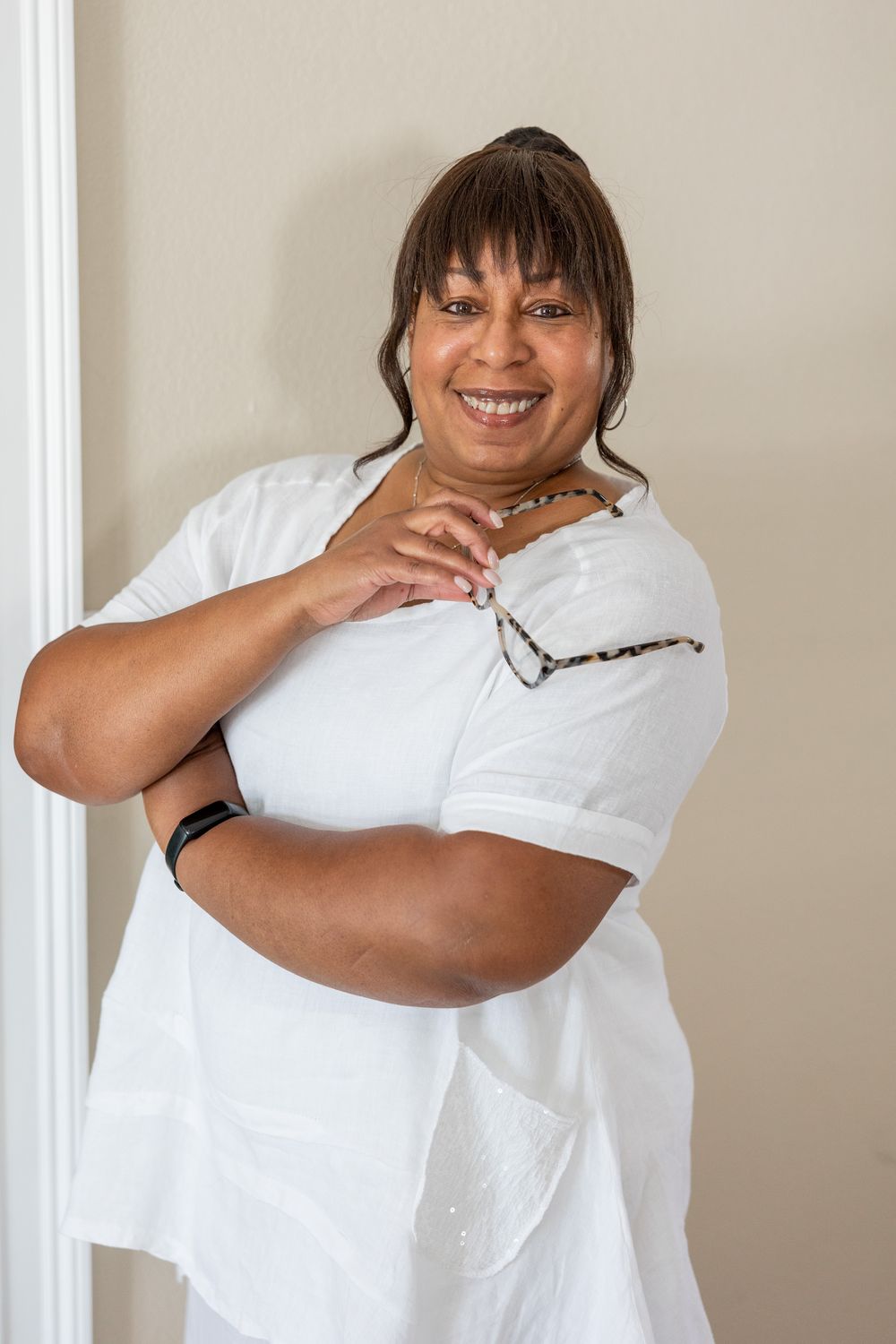
Hi, I'm Martina O'Neal
Creator of H.E.R. Haven Blog
I help women in male-dominated workplaces overcome bullying, beat stress and anxiety, and go from just surviving the workday to truly thriving from 9 to 5.
I worked as a Construction Project Manager in Corporate America for more than 20 years, so I know all too well the fear of participating in weekly meetings and dealing with a difficult boss.
It's my goal empower and guide women to thriving in any workplace even in a room full of men.
