
Why a Supportive Network is Key to Success: Finding Mentors and Allies
Friday, December 13, 2024

Success is rarely a solo journey. Behind every thriving professional is often a network of mentors, allies, and supporters who guide, encourage, and uplift. For women navigating male-dominated workplaces, a strong network is not just a bonus—it’s a game-changer.
Here’s why building a supportive network is essential to your success, how to find the right mentors and allies, and strategies for nurturing these relationships.
The Power of a Supportive Network
1. Guidance Through Challenges
Mentors and allies provide valuable insights, helping you navigate workplace dynamics, handle
conflicts, and seize opportunities.
2. Boosting Confidence
A supportive network reinforces your worth, cheering you on when self-doubt creeps in.
3. Expanding Opportunities
Allies can advocate for you in rooms you’re not in, while mentors can open doors to new roles,
projects, and connections.
4. Encouraging Growth
Constructive feedback from trusted individuals helps you identify blind spots and improve
continuously.
5. Creating a Safe Space
In tough workplaces, a network provides emotional support, helping you process experiences
and maintain resilience.
Who Are Mentors and Allies?
Mentors: Experienced professionals who offer guidance, share wisdom, and support your long-term growth. They’re like a career coach, sharing lessons from their journey to help you succeed.
Allies: Colleagues or peers who actively support you, whether by amplifying your voice in meetings, advocating for fairness, or collaborating on projects.
How to Find Mentors and Allies
1. Leverage Your Existing Network
Start by looking at your current connections. Are there colleagues, managers, or acquaintances
you admire and respect? Reach out and express your interest in learning from them.
2. Attend Networking Events
Professional conferences, workshops, and industry meetups are great places to meet potential
mentors and allies.
Tip: Join women-focused groups or organizations related to your field.
3. Be Active on Professional Platforms
Use platforms like LinkedIn to connect with professionals in your industry. Share insights,
comment on their posts, or send a thoughtful message about their work.
4. Join Employee Resource Groups (ERGs)
Many organizations have groups focused on supporting women or underrepresented
employees. These are excellent spaces to find allies and mentors.
5. Ask for Referrals
If someone you know has a great mentor, ask if they can introduce you.
How to Build Strong Relationships with Mentors and Allies
1. Be Genuine
Approach relationships with authenticity. Show genuine interest in their advice and experiences.
Example: “I admire your work on [specific project]. I’d love to learn more about how you
approached it.”
2. Show Initiative
Take the lead in setting up meetings or check-ins. Respect their time by being prepared with
questions or topics to discuss.
3. Be Open to Feedback
Accept constructive criticism with grace, and use it to grow.
Example: “Thank you for pointing that out—I’ll work on improving in that area.”
4. Provide Value
Relationships should be reciprocal. Offer your support, whether it’s sharing resources,
brainstorming ideas, or simply showing appreciation.
Example: “I came across this article and thought you might find it interesting.”
5.Stay Connected
Regular communication keeps the relationship alive. Even a quick message to share an update
or say thank you can go a long way.
The Role of Allies in the Workplace
Allies play a critical role in fostering inclusivity and amplifying underrepresented voices. Here’s how to identify and work with allies:
1. Look for Supportive Peers
Allies are often colleagues who recognize your value and are willing to stand by you in meetings,
projects, or challenging situations.
2. Communicate Your Needs
Let allies know how they can support you.
Example: “If I’m interrupted in a meeting, could you help redirect the conversation back to me?”
3. Collaborate
Working on projects together strengthens trust and reinforces mutual respect.
4. Acknowledge Their Efforts
Show appreciation for their support. Allies are more likely to continue advocating for you when
they feel valued.
How a Strong Network Transforms Your Career
* Increased Visibility: Mentors and allies ensure your skills and contributions are recognized.
* Enhanced Learning: Regular feedback and guidance help you grow both personally and
professionally.
* Greater Resilience: Support from your network helps you navigate challenges with confidence
and composure.
* Career Advancement: With mentors guiding your path and allies opening doors, new
opportunities become more accessible.
Final Thoughts: Build Your Circle of Support
Success isn’t about going it alone—it’s about finding the right people to walk alongside you. A supportive network of mentors and allies can help you overcome obstacles, amplify your voice, and achieve your career goals.
Remember, relationships take time and effort to nurture, but the rewards are worth it. Start small, reach out, and watch your network grow into a powerful source of inspiration, guidance, and success. You deserve a team that lifts you up—go out and build it!

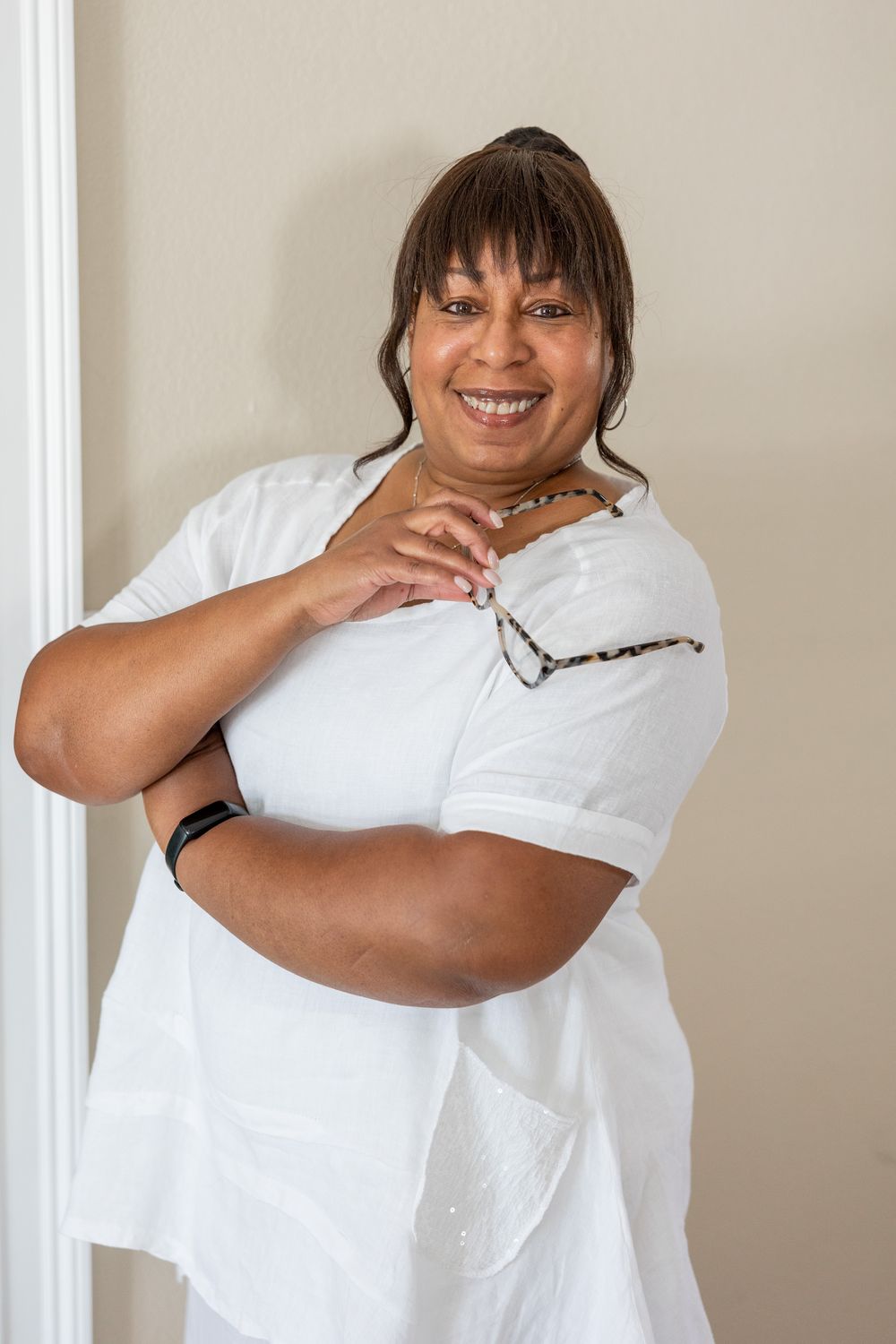
Hi, I'm Martina O'Neal
Creator of H.E.R. Haven Blog
I help women in male-dominated workplaces overcome bullying, beat stress and anxiety, and go from just surviving the workday to truly thriving from 9 to 5.
I worked as a Construction Project Manager in Corporate America for more than 20 years, so I know all too well the fear of participating in weekly meetings and dealing with a difficult boss.
It's my goal empower and guide women to thriving in any workplace even in a room full of men.
