
Workplace Mobbing: How to Recognize, Address, and Protect Yourself
Friday, December 27, 2024

When we think about workplace bullying, we often imagine a single individual targeting someone. But what happens when a group of colleagues or even management joins in to target one person? This phenomenon is called workplace mobbing, and it can be devastating.
Workplace mobbing is a form of collective bullying where an individual is systematically targeted, harassed, or isolated by coworkers or supervisors. It’s toxic, damaging, and all too often ignored. If you feel like you’re under attack at work or can’t pinpoint why everyone seems to turn against you, you may be experiencing mobbing.
Let’s dive into what workplace mobbing is, how to recognize the signs, and actionable strategies for addressing and protecting yourself.
What is Workplace Mobbing?
Workplace mobbing occurs when a group of individuals—whether colleagues, subordinates, or supervisors—team up to undermine, intimidate, or drive a coworker out of the organization. It’s not just one-off teasing or conflict; mobbing is systematic and persistent.
Examples of mobbing behaviors include:
* Spreading Rumors or Gossip: Tarnishing someone’s reputation behind their back.
* Exclusion or Isolation: Deliberately leaving someone out of meetings, decisions, or social events.
* Overloading or Withholding Work: Assigning unmanageable tasks or taking work away to
sabotage performance.
* Excessive Criticism: Constant nitpicking, micromanaging, or unfair performance reviews.
* Humiliation or Public Attacks: Insulting or undermining someone in front of others.
Mobbing often escalates over time, creating an unbearable environment that can impact the victim’s health, career, and well-being.
Signs You May Be Experiencing Workplace Mobbing
1. You Feel Constantly Isolated
* Colleagues exclude you from discussions, decisions, or team events.
2. The Atmosphere Has Shifted
* You notice a sudden, negative change in how others treat or interact with you.
3. You’re the Target of Unfair Criticism
* Your work is constantly scrutinized, criticized, or dismissed—even if it’s up to standard.
4. Rumors and Gossip Are Circulating
* People are whispering about you or spreading false information to damage your credibility.
5. You’re Set Up to Fail
* Tasks are taken away or unreasonable expectations are set to make it look like you’re
underperforming.
6. You’re Experiencing Emotional and Physical Stress
* You feel anxious, exhausted, or even physically unwell due to the toxic environment.
Why Workplace Mobbing Happens
Perceived Threat: If others see you as competition, they may attempt to undermine you to maintain control.
Poor Leadership: A toxic organizational culture often starts at the top. If management tolerates bullying or favoritism, mobbing can flourish.
Group Mentality: When one person starts the behavior, others may join in to feel part of the group or avoid becoming a target themselves.
Bias and Prejudice: Mobbing can target individuals based on gender, race, or other characteristics, especially in male-dominated workplaces.
The Impact of Workplace Mobbing
The effects of mobbing go far beyond the workplace. Prolonged exposure to this type of bullying can lead to:
* Mental Health Issues: Anxiety, depression, and even PTSD.
* Physical Health Problems: Chronic stress can cause headaches, fatigue, high blood pressure, and
sleep disturbances.
* Damaged Self-Worth: Constant negativity can make you question your abilities and value.
* Career Setbacks: Mobbing often affects performance and may push victims to leave their roles or
careers entirely.
If you’re experiencing workplace mobbing, it’s not your fault, and you don’t have to endure it in silence.
How to Navigate Workplace Mobbing
1. Document Everything
* Keep detailed records of incidents, including dates, times, individuals involved, and the
specific behaviors.
* Save emails, messages, or performance reviews that demonstrate unfair treatment.
2. Seek Support
* Reach out to trusted colleagues, mentors, or friends to share your experience. You’re not alone,
and their perspective may help validate your concerns.
* Consider speaking with a therapist to help process the emotional toll and develop coping
strategies.
3. Address the Behavior Calmly
* If it feels safe, confront individuals privately or in a neutral setting. Stick to the facts and use “I”
statements to avoid defensiveness.
Example: “I noticed I wasn’t included in that meeting. Is there something I should know?”
4. Involve Leadership or HR
* Report the behavior to HR or a manager, presenting your documented evidence. Clearly outline
the impact it’s having on you and your work.
* Ask for a plan to address the toxic behaviors and protect you from retaliation.
5. Set Boundaries
* Avoid engaging in toxic dynamics. Stay professional and limit unnecessary interactions with
those contributing to the mobbing.
* Protect your emotional well-being by practicing self-care outside of work.
6. Evaluate Your Options
* If leadership fails to address the problem or the environment remains harmful, it may be time
to explore opportunities in healthier workplaces. Remember: leaving doesn’t mean you’ve
failed—it means you’ve prioritized your well-being.
Breaking the Silence Around Workplace Mobbing
Workplace mobbing thrives when it goes unchallenged. By recognizing it, addressing it, and advocating for yourself, you set the stage for change—not just for yourself, but for others who may be suffering silently.
Organizations also have a responsibility to create workplaces that are inclusive, respectful, and safe for everyone. Strong leadership, clear anti-bullying policies, and a culture of accountability are essential to stopping mobbing before it begins.
Final Thoughts: You Deserve Better
If you’re experiencing workplace mobbing, it’s not a reflection of your abilities or your worth. Toxic behaviors say more about the environment and the people perpetuating them than they do about you. By taking action, seeking support, and prioritizing your well-being, you can navigate this challenging experience and emerge stronger, wiser, and more resilient.
Remember: you deserve respect, fairness, and a workplace where you can thrive. If one environment doesn’t give you that, there are others that will. Keep advocating for yourself—your voice and well-being matter. 💪

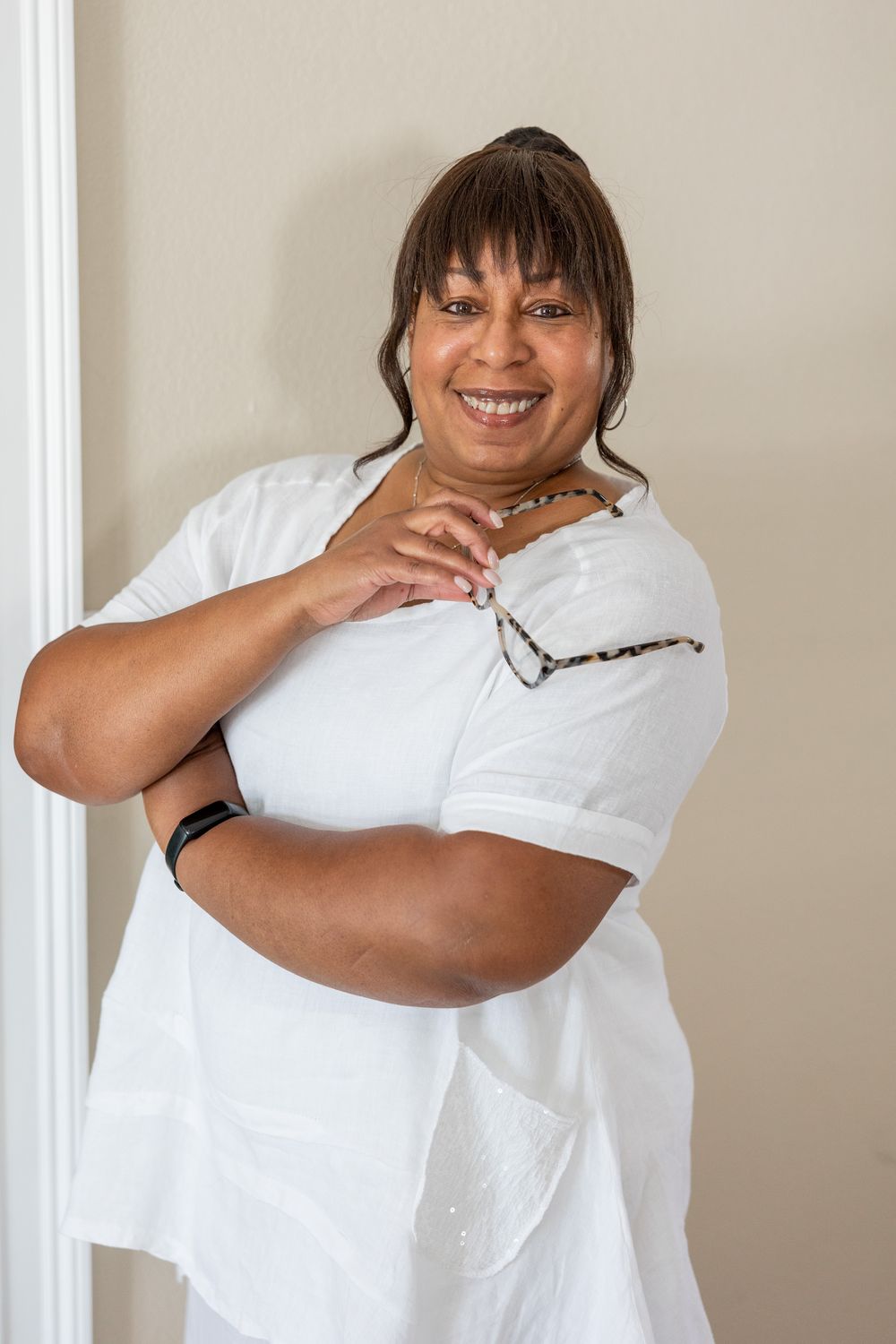
Hi, I'm Martina O'Neal
Creator of H.E.R. Haven Blog
I help women in male-dominated workplaces overcome bullying, beat stress and anxiety, and go from just surviving the workday to truly thriving from 9 to 5.
I worked as a Construction Project Manager in Corporate America for more than 20 years, so I know all too well the fear of participating in weekly meetings and dealing with a difficult boss.
It's my goal empower and guide women to thriving in any workplace even in a room full of men.
